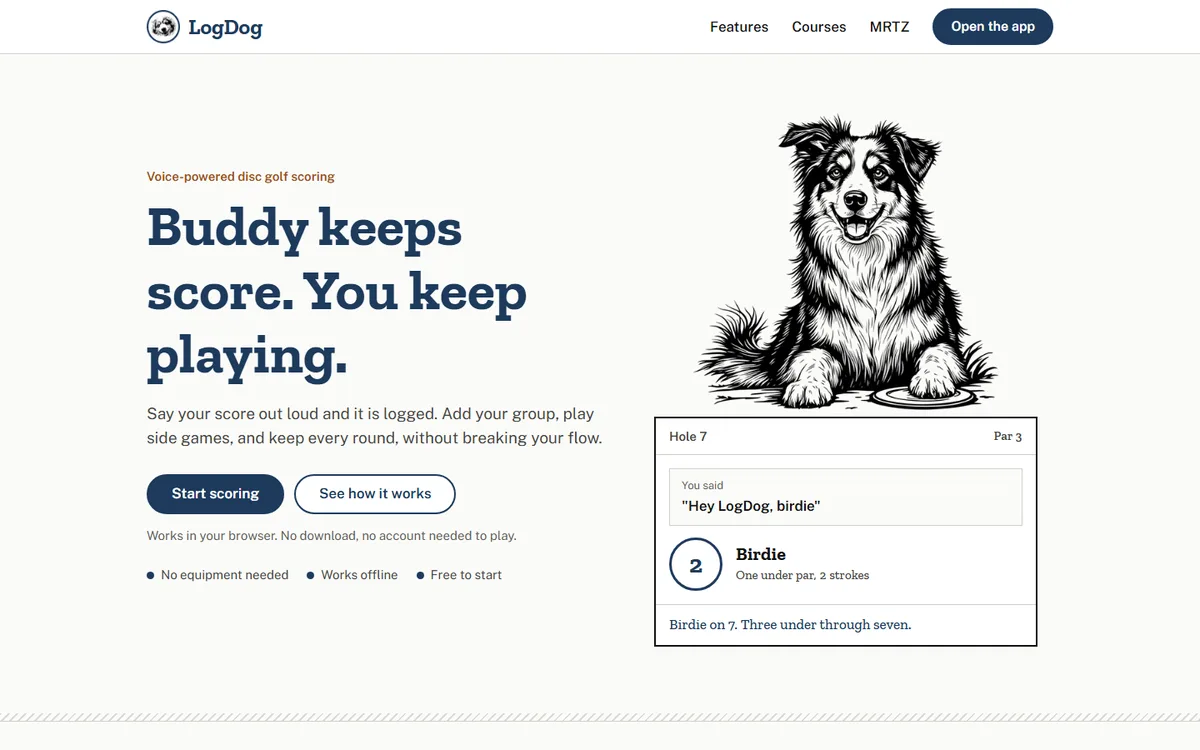
Say your score out loud and it’s logged. Buddy keeps score, you keep playing. It works offline, because a disc golf course is exactly where phones give up.
Forward deployed engineer · Vancouver
I’m Jamie Bennett. I sit with your team, work the problem where it actually lives, and ship the working thing instead of a report about it. Before the code I rebranded a brewery (twelve beers, five people) and started a bamboo eyewear company, so I know how far a good idea is from a finished object.
Bigger jobs get a bigger table: Leanne Fulton on design and illustration, Pavan Mirla on AI and decision systems. AI is the newest tool in the shed, with workflows of its own, and I use it where it earns its place. On the days I’m not building, I teach in BC schools.
Client work
An energy utility wanted people to understand the power grid they rely on: frequency, inertia, storage, renewables. A tradeshow booth buys about two minutes with someone, and nobody has ever learned grid inertia from a poster.
So I made it something you play. You run a live grid and try to keep it standing. Push it too far and you lose it, the way a low-inertia grid went down in Spain in 2025. Scripted agents played thousands of rounds so the scoring could be tuned on evidence, not instinct: a better player scores better, and two equally good players come out even.
In client testing · no screenshots, no nameFive you can open
Say your score out loud and it’s logged. Buddy keeps score, you keep playing. It works offline, because a disc golf course is exactly where phones give up.
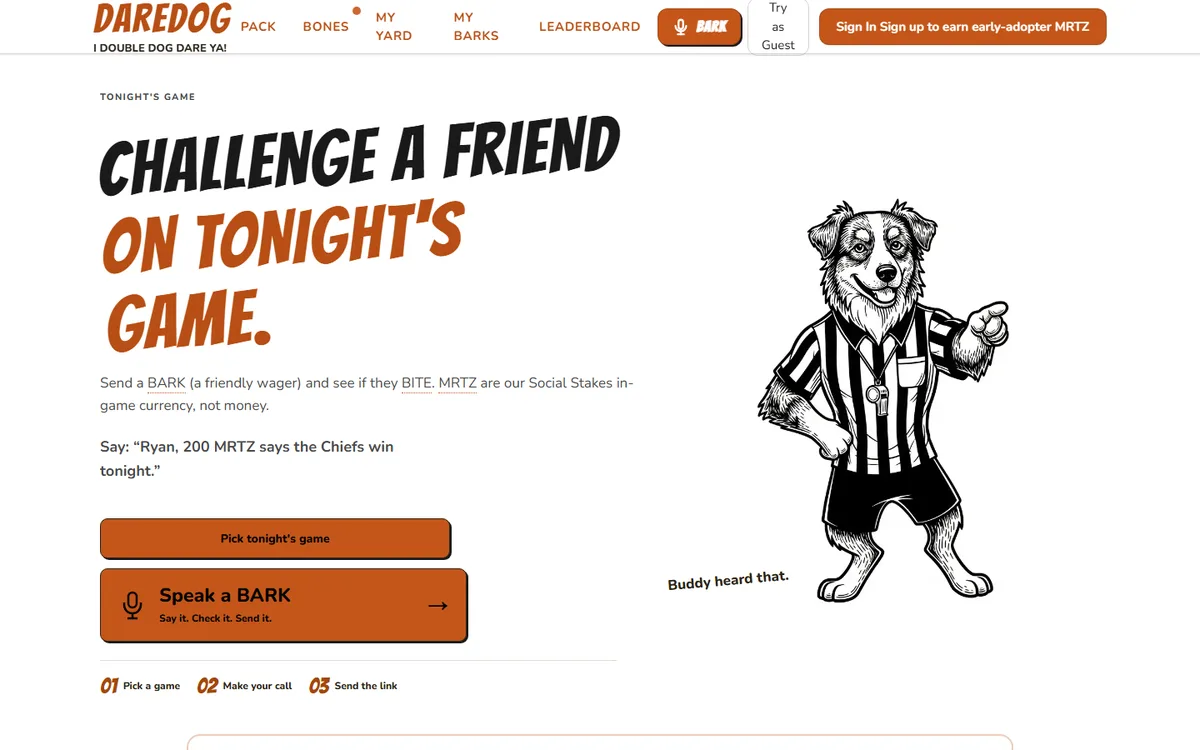
Send a BARK, a friendly wager, and see if your friend BITEs. The stakes are MRTZ, a currency with no cash value, so the loser owes the group chat and not their wallet.
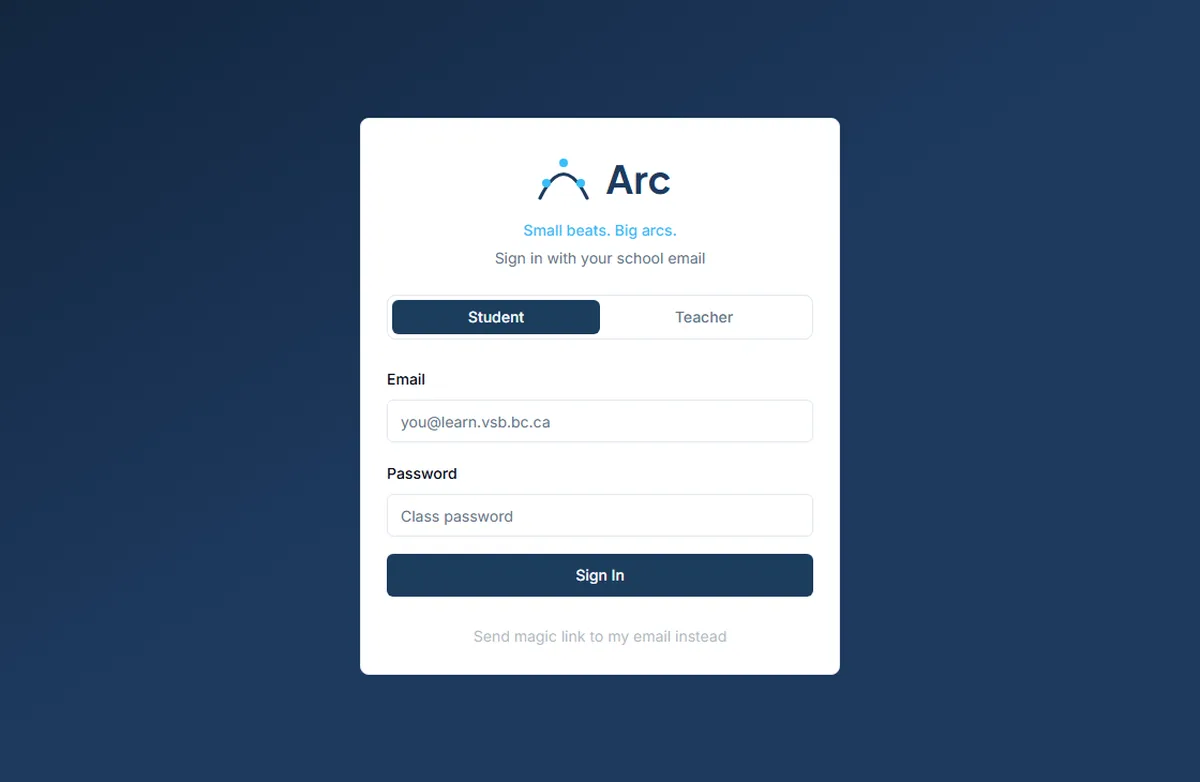
It began as a way to change punctuality: reward the student who cuts their lateness, not only the one already on time. It grew into a goal-setting platform where students set big goals, break them into small ones and rate their own progress.
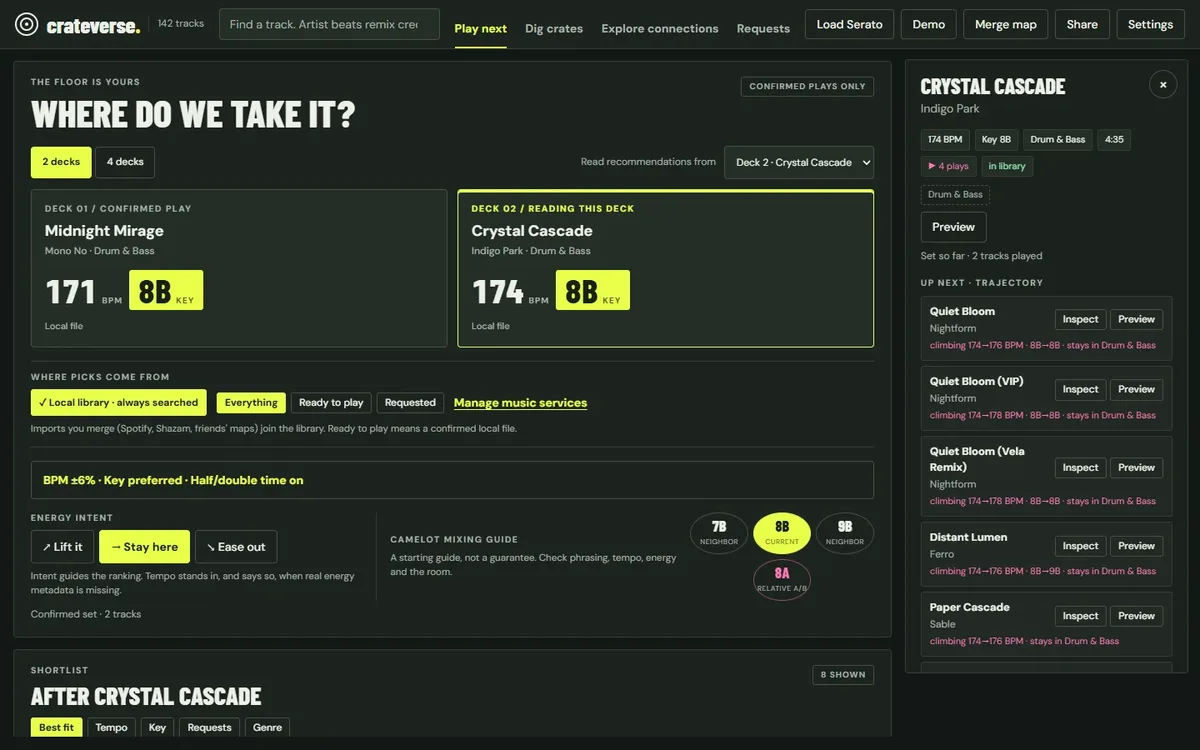
A selector’s copilot. It maps your Serato history as a galaxy of what you actually play after what, then suggests the next track by key, tempo and energy. The other half is a request page the dance floor can scan, vote on and tip.
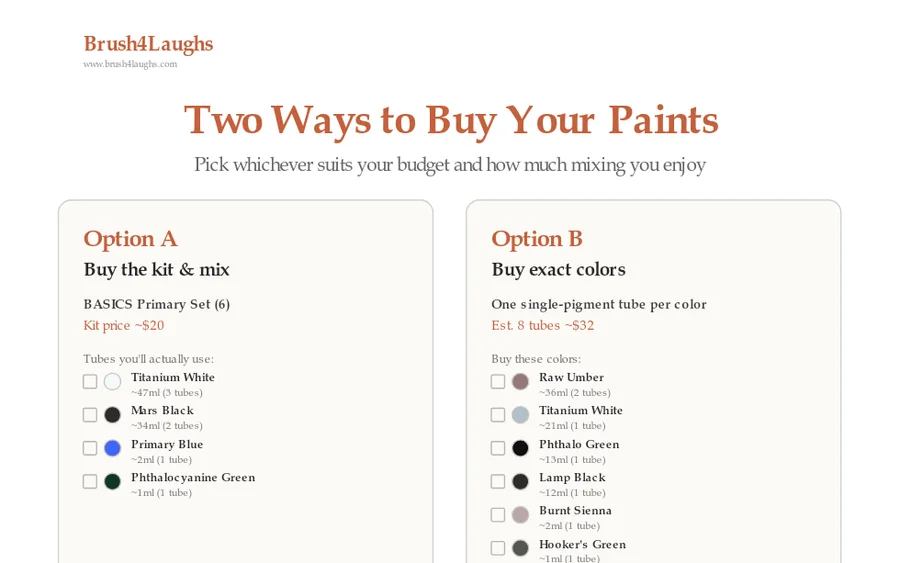
Turns a photo into a paint-by-numbers kit, with the colour-mixing recipes so you mix each shade yourself instead of buying forty pots. A colour theory course disguised as family fun. Shown here: the paint-buying guide it writes for you.
Tell me what it is and what you’ve already tried. If I’m the wrong person for it, I’ll say so.